Shopify Just Confirmed How Much Brand Storytelling Matters
Insight
27 Feb 2026
3 min read
Shopify’s new GEO playbook validates our entire approach to website builds, and here's why...
There’s a question that we've been seeing a lot recently. It goes something like: “With AI changing how people discover products online, will brand-led websites even matter any more?”
It’s a fair question. And the answer is yes; more than ever. But not for the reasons you might think.
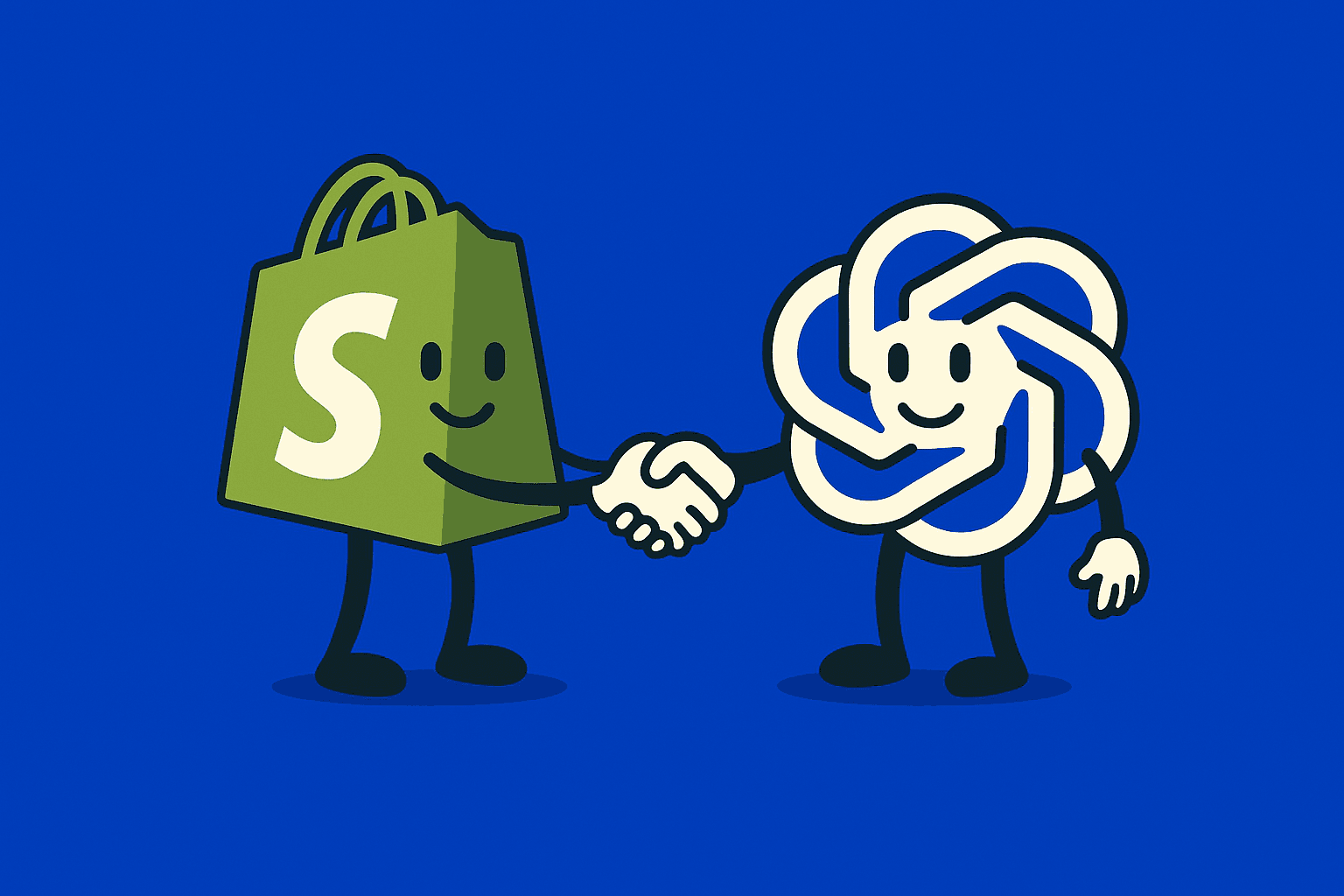
Shopify just published their GEO Playbook, a definitive guide to Generative Engine Optimisation. i.e; the practice of making sure your brand gets recommended by AI tools like ChatGPT, Gemini, and Perplexity. The data they cite is hard to ignore:
AI-driven traffic to Shopify stores is up 8x since January 2025.
AI-driven orders are up 15x.
64% of shoppers say they expect to use AI when making purchases (this one surprised me!)
That’s not a trend. That’s a fundamental shift. The way people discover brands is being restructured, and the brands that thrive will be the ones that have already done the hard work of building something worth recommending.
Put plainly, integrity of brand and consistency of message across all platforms is going to be more important than ever.
Section 2 of Shopify’s new playbook is focussed exclusively on brand storytelling; a core pillar of the way we build websites.
“AI doesn’t just crawl your product pages. It synthesises everything the internet has ever said about you — and then decides whether you’re worth recommending.”
Shopify puts it plainly in their guide: “AI looks beyond your site: Reddit threads, reviews, press, and community signals.” In other words, AI doesn’t just crawl your product pages. It synthesises everything the internet has ever said about you, and then decides whether you’re worth recommending to someone with real purchase intent. It’s essentially asking: does this brand have genuine authority? Are real people talking about them? Do they have a clear point of view, a recognisable identity, a reason to exist beyond selling products?
This is exactly why story-led brand building isn’t a “nice to have.” It’s now a commercial imperative.
At Say Yes, we’ve always believed that the best eCommerce sites aren’t just functional catalogues; they’re a platform to showcase why your brand is special. A showcase of why a brand exists, the story behind the website, why its products are made differently, and why that should matter to customers. That philosophy used to be about conversion rate and customer loyalty. Now, it’s also your best defence against AI anonymity.
Think about what AI is actually doing when someone asks it to recommend, say, a premium British cheese for a dinner party. It’s not just scanning product titles and prices. It’s synthesising editorial mentions, customer reviews, social conversations, and on-site content to form a picture of which brands have genuine credibility in that space. The brand that has invested in its story - that’s been featured in food publications, that has rich educational content, that has real customers talking passionately about them? That’s the one that gets recommended. The brand that has a clean product grid and not much else? Meh.
SEO fundamentals still matter, of course. Clean data, structured product information, complete metadata: all of it remains important because AI tools still use search engines as their primary inputs. (Let’s not forget that beautifully designed websites require a well-structured back-end to inform their UI, too…)
But looking at Shopify’s own playbook, the hierarchy is clear: technical hygiene gets you in the game. Brand authority is what wins it.
For Shopify merchants specifically, the opportunity here is significant. Tools like Shopify’s Knowledge Base and Agentic Storefronts mean you can now directly influence what AI says about your brand in conversation: your policies, your story, your product details. But that only works if there’s a coherent, compelling, consistent story to tell in the first place.
The brands that will struggle in an AI-first world aren’t the small ones or the niche ones. They’re the ones that were never really about anything. The ones that built a website rather than building a brand.
So before you start auditing your robots.txt file or restructuring your product taxonomy, ask yourself a more fundamental question: If an AI had to explain your brand to a potential customer in two sentences, what would it say?
If you don’t know, your customers probably don’t either.
Author

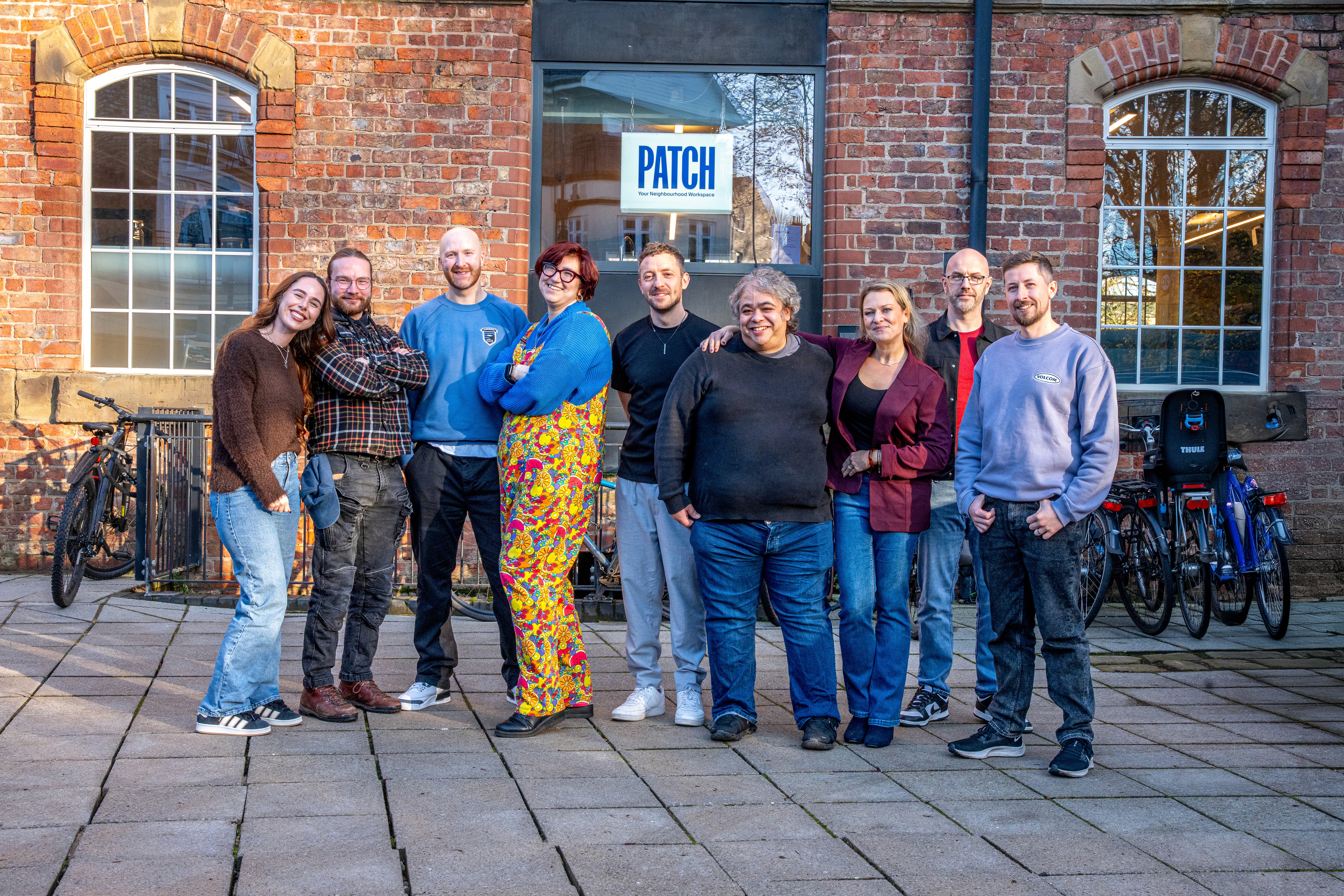
Phil Clark
Managing Director
Phil is a true advocate of Brand Storytelling, often working closely with our customers to tease out those core details of what makes their business special.
IS YOUR BRAND STORY STRONG ENOUGH?
Add your email address here to receive our brand healthcheck direct to your inbox.
Follow us